1 of 3

Frequently Asked Questions

How do I store my Puerh - long and short term?


How do I store my Puerh - long and short term?

Puerh is a tea that can be enjoyed young, and also develops interesting character as it ages. The key to good maturation is proper storage.


In general, we recommend maintaining consistent temperature and humidity, while minimizing excessive airflow. This is assuming the tea cakes are in good condition, either freshly pressed or have been stored in ideal conditions prior.

• Store cakes in resealable bags to preserve the delicate aromatics and maintain a consistent regular micro environment.
• Avoid direct sunlight and direct airflow from air conditioners or heaters. An odor-free plastic storage box or cooler may be useful in isolating the tea from environmental swings.
• Store sheng and shou Puerh separate from each other.
• Pry off only the amount needed each session. Avoid breaking up entire cakes; Puerh matures best in pressed form.


We do not recommend adding heat and/or humidity to speed up aging. Just like with wine or cigars, maturation is best done at a natural pace. Overly aggressive storage will result in a rapid loss of the flavor nuances that define each tea/terroir, and in the worst cases, encourage mold growth.

What are the Puerh regions to explore?


What are the Puerh regions to explore?

There are 5 major regions in Yunnan that produce Puerh material, each with a general flavor character:

• Yiwu (including the neighbouring “6 Ancient Tea Mountains” region)
• Menghai (including Bulang, Mengsong, Nannuo mountains etc.)
• Pu’Er / Simao (including Mojiang, Jingmai etc.)
• Lincang
• Baoshan and other northern regions

1. Yiwu and the surrounding mountains (6 ancient mountains) tea tends to be honey sweet, gentler texture with low bitterness and astringency, and a complex fruity, floral profile.

2. Those who prefer a more robust profile may look to the Menghai area. These teas tend to be more intense in terms of aroma and flavor. Note that even so, they should not be overly bitter/astringent if material selection and processing is good.

3. The Simao region also produces some fascinating teas, particularly in the Mojiang area where the ancient Imperial Tribute tea gardens are located.

4. Lincang is a massive region with a wide range of profiles; mostly with cane sugar and florals, expecting certain amount of astringency in the profile.

5. Baoshan and other regions like Dali, Wenshan etc. have a myriad different characters.

Where should I begin with raw Puerh?


Where should I begin with raw Puerh?

Raw Puerh should not be a difficult tea to enjoy. Understanding the region and terroir is the key to unlock your tasting experience.

  • As with most other teas, start with a moderate quality selection according to preference, not necessarily the cheapest (which will likely disappoint) or the most expensive (which may benefit from some experience to appreciate fully). $0.20 to $0.40 per gram is a good start.
  • Look for teas with ample information on sourcing and specific terroir. This will help you understand what to expect in terms of flavor profile and ecological purity.
  • Start with a younger or medium-aged sheng (within 5 years of age) to learn the flavor profiles of famous Puerh regions, without storage issues affecting the experience.
  • Each Puerh region offers a unique style and flavor profile to suit different preferences. Yiwu region and Bulang region are excellent places to start, as these are highly representative Puerh terroir and offer many distinctive gardens to explore.


Most of the stigma about raw Puerh being difficult to appreciate stems from:

  • Starting with cheap factory cakes which is risky, as this is a category that requires deeper understanding of Puerh landscape.
  • A false belief that only aged Puerh is good to drink. There are good and bad teas across the whole age spectrum. Good quality material will ensure a positive drinking experience, regardless of the age of the tea.
  • Incorrect brewing techniques, often steeping too long (see brewing guide here)

How do I brew Sheng (Raw) Puerh


How do I brew Sheng (Raw) Puerh?


As tea producers, our recommended approach prioritizes getting the most accurate picture of any tea, by keeping brewing parameters consistent at the start.

  • Water type: Use filtered or soft spring water, never tap water where possible
  • Water temp: Always water just off the boil (100C / 212F)
  • Leaf ratio: 5g to every 100ml of water
  • Rinse: 5s rinse with boiling water
  • Early infusions: The first 5-6 infusions should all be flash steeps, max 3-4 seconds. (You may opt to extend the very first steep to 10s, if the leaves are tightly pressed.)
  • Subsequent infusions: past steep 5 6, extend time by several seconds each subsequent steep, or when flavor noticeably starts to taper down
  • Longevity: Good sheng Puerh may be steeped between 10 – 15 infusions and beyond

The first 1-2 steeps are naturally light, do not attempt to “push” the tea at this stage. Maintaining flash steeps allows the flavor progression to take place naturally, achieving full expression and peaking after steeps 4-5.

Pushing steep times too early will result in over-extraction for the first few infusions (yielding bitterness or astringency), and a premature decline of later steeps.

Is it normal to have astringency and bitterness in Puerh?


Is it normal to have astringency and bitterness in Puerh?

There is a common misconception that young Sheng Puerh is always bitter and astringent. This is false. If the Sheng Puerh is of good quality, processed and brewed according to the correct instruction, it should never be overly bitter or astringent.

Common causes of harsh flavors in Sheng Puerh:

  • Material from very young or plantation bushes
  • Use of agrochemicals such as pesticide or chemical fertilizer
  • Improper processing technique (charred leaves, overly broken leaf)

Note that while certain terroir have a reputation for being more bitter (e.g. Bulang) or astringent in character (e.g. Lincang), a good quality tea from these regions should never be unpleasant to drink.

Does Sheng (raw) Puerh need to be aged


Does sheng Puerh need to be aged?

Sheng Puerh does not necessarily need to be aged in order to be enjoyed, particularly high quality productions. In fact, well produced single origin sheng is recommended to be first tasted when young, as this is where the distinctiveness of the terroir shines through best.

Certain teas may be harsh when young (typically factory teas, which are often blended using chopped leaf and may incorporate lower quality plantation material) and these teas may benefit from aging.

Maturation does change the character of sheng Puerh in interesting ways and is one of the fun aspects of this tea. Note however, that as tea develops “aged” character, some of the more subtle flavor notes also fade or blend into the background, so the specific “terroir character” becomes less easy to discern. This is why sampling sheng periodically is always a good idea, to observe how it develops with time.

What do I look for in a good quality Puerh


What do I look for in a good quality Puerh?


Sheng / Raw Puerh

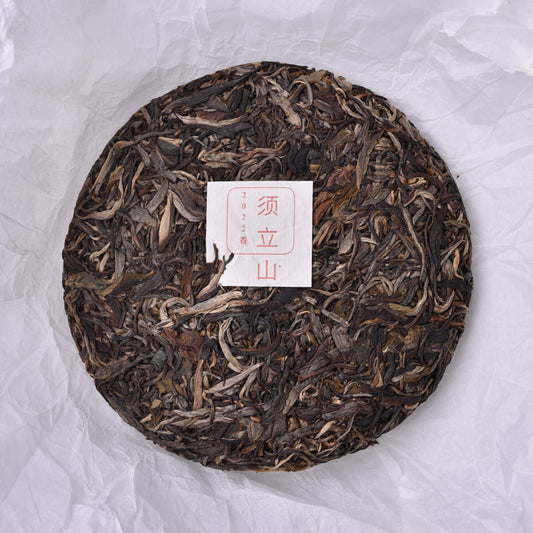
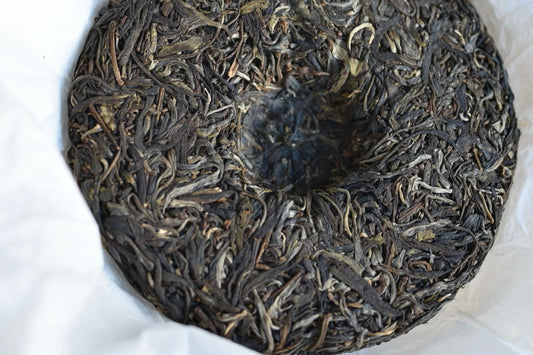
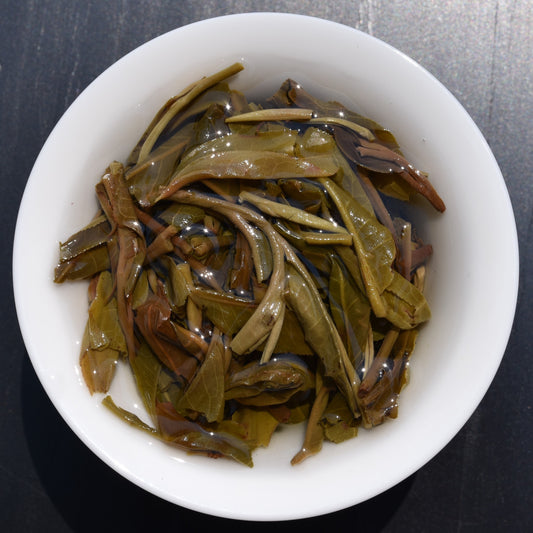
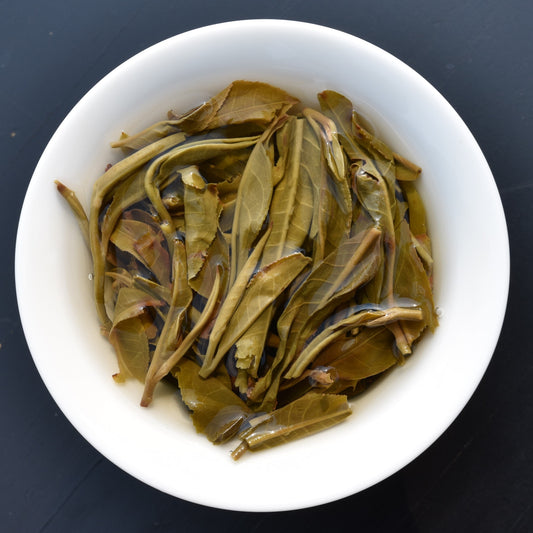
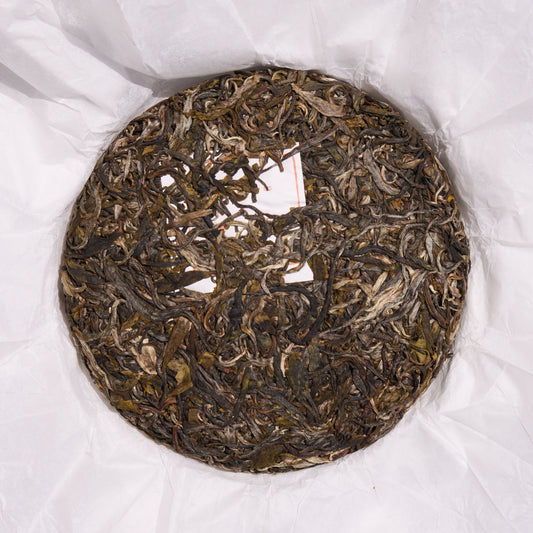
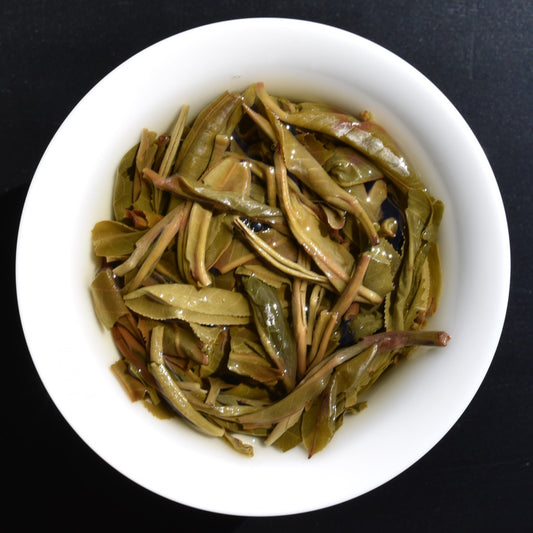
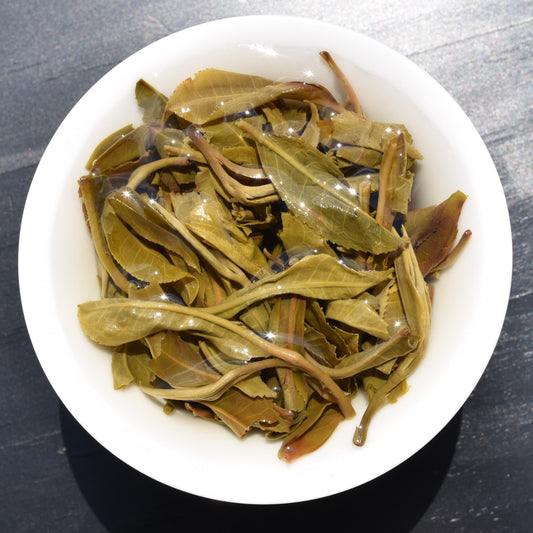
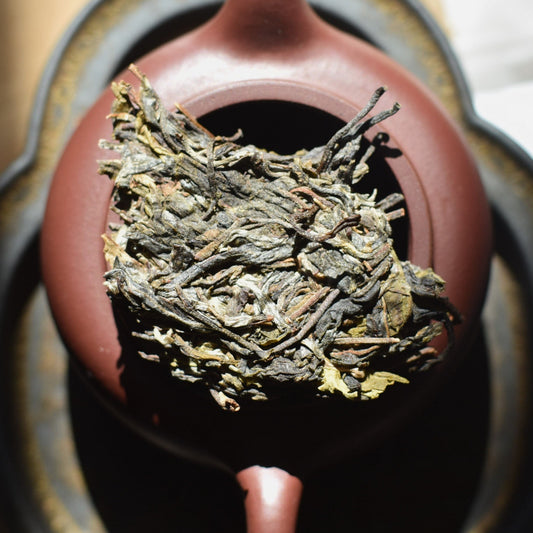
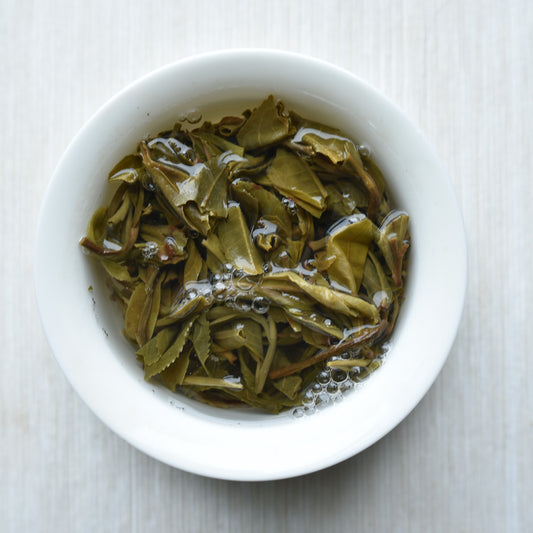
Good quality sheng Puerh should be pleasant to drink, even when young, and not exhibit excessively harsh flavors such as bitterness, smokiness or astringency. Look for cakes with whole, well-preserved leaf material that is not chopped.

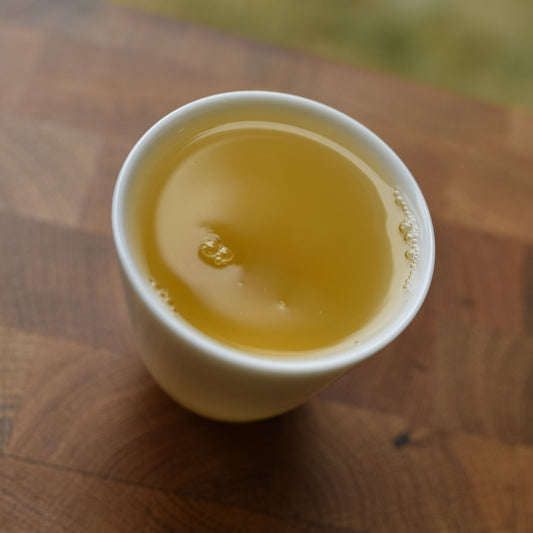
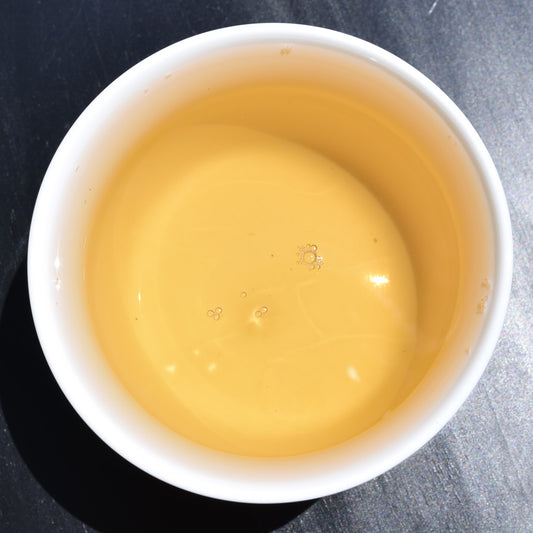
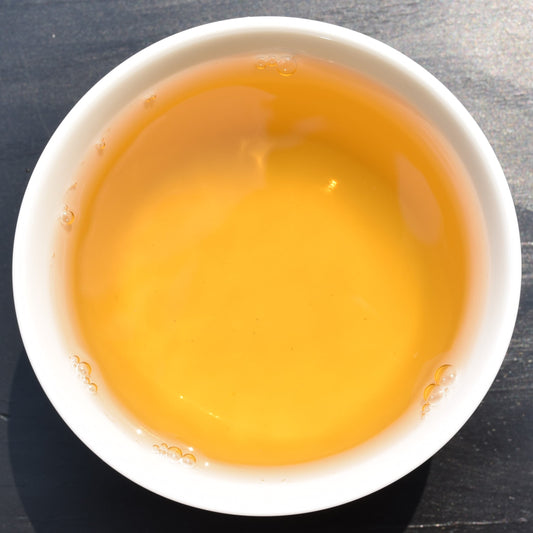
  • Soup that is free of broken bits or charred particles, with good clarity and a bright radiant color (汤色亮)
  • Aroma from the gaiwan lid should be rich, sweet/savory without any harsh, smoky or sulphuric odors
  • The soup should not be overly fragrant when sniffing; instead, the fragrance should be held within the soup and experienced only during sipping in the mouth and throat. This is known in Chinese as 落汤香
  • Smooth, velvety soup texture. It should glide down the throat when swallowing without a puckering effect. This is described as the “path of the soup is wide” (水路宽)
  • Excessive bitterness and/or astringency is a sign of poor quality or material selection – it is a myth that young sheng is hard to enjoy
  • Well-processed material from older trees should be persistent across many brews. Flavor profile should not exhibit sudden drops in intensity or richness between brews, but instead slowly evolve across the session.


Shou

The dry leaf should smell fragrant and rich, like sweet wood or clean leather. A good shou Puerh will yield a thick, smooth soup that is lubricative and not rough/tannic. Sometimes the character of stewed red beans or a “rice water” profile is sought after by Chinese enthusiasts.

Avoid aged teas that smell papery, cardboardy or musty – these odors are an indication of poor storage.

Fishiness and mushroomy odors are associated with the wet-pile fermentation or “wo dui” process, and may dissipate slowly with age.

Good shou Puerh however, should not exhibit excessive wet-pile odor even when young, as this is an indication of improper fermentation methods from the
start.